Exploring at every altitude.
I'm a PhD candidate in physics at the University of Toronto, specializing in astrophysics.
My research focuses on building and launching balloon-borne near-space telescopes that image the universe from the stratosphere, and my work covers the instrument and analysis end to end: from building the telescope to integrating the science camera and its calibration, working on communications and downlinking to bring our data down, and science analysis to detect weak lensing and signs of dark matter.
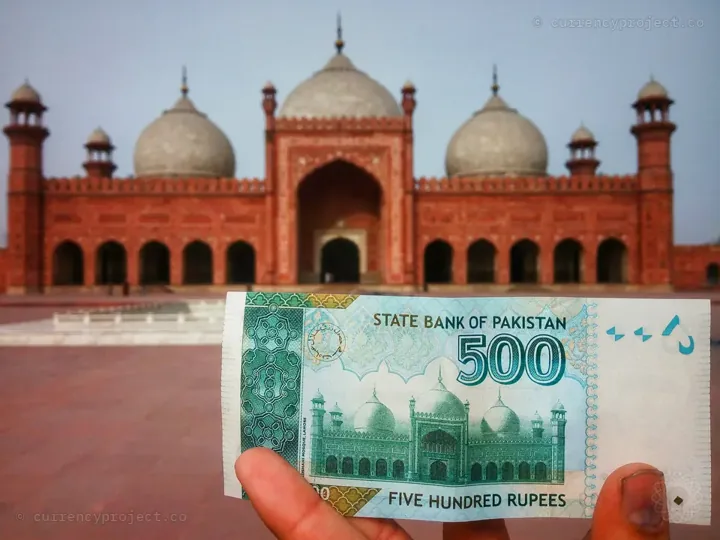
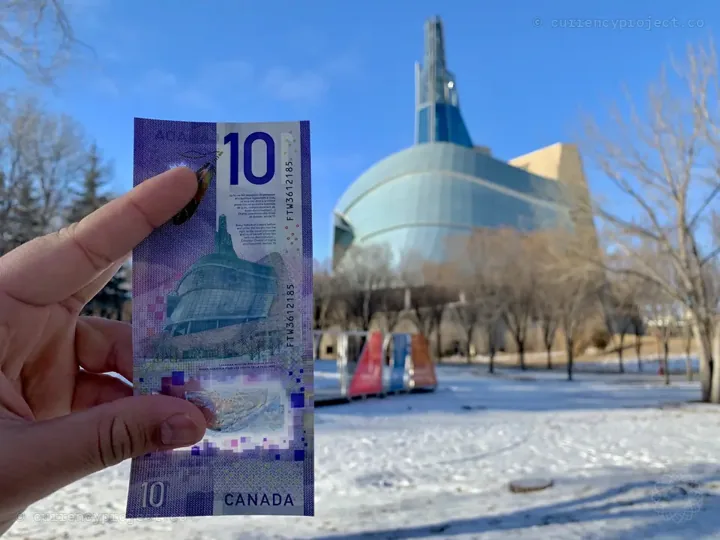
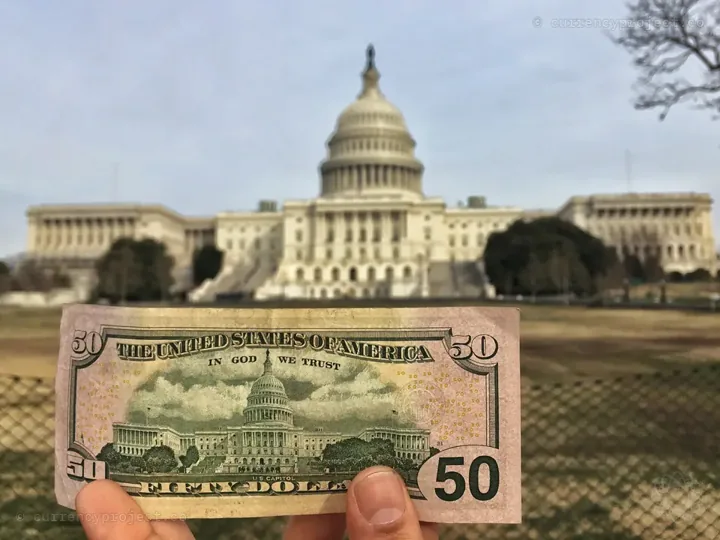
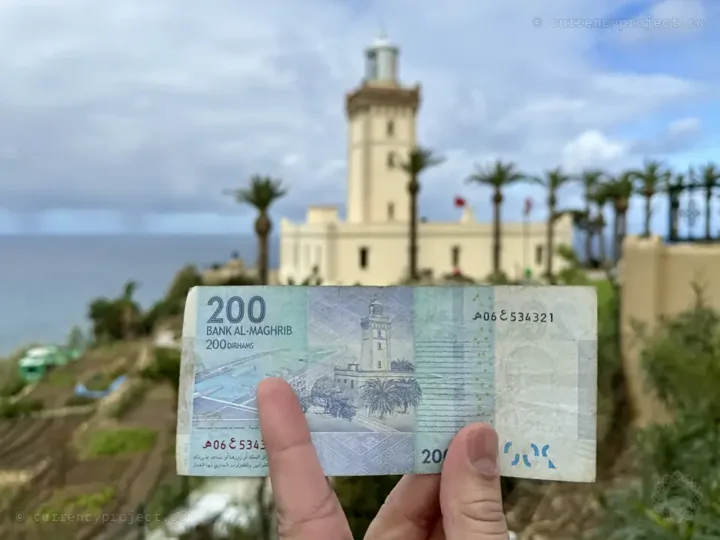
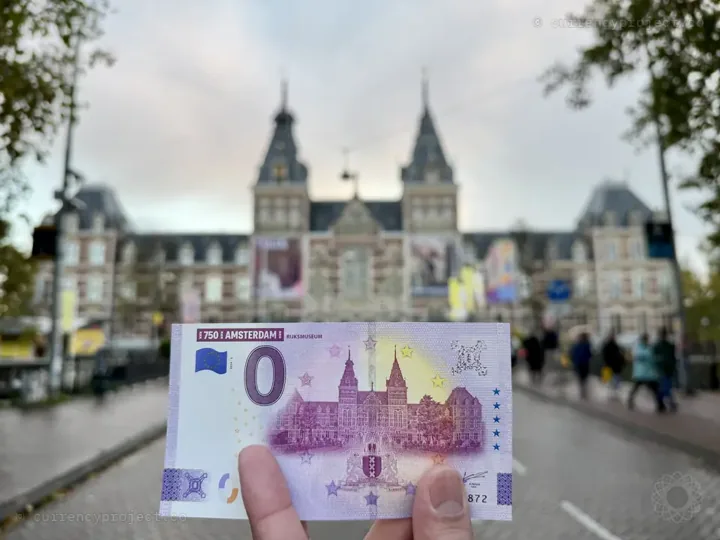
Back on the ground, I photograph banknotes in front of the landmarks printed on them and share astrophysics with students and the public through outreach.
Astrophysics from the edge of space
SuperBIT is the main focus of my PhD. It was a half-metre telescope that flew on a NASA Super-Pressure Balloon, above 99% of the atmosphere, taking near-diffraction-limited images in the blue and near-ultraviolet where ground telescopes are limited by the sky. In 2023 it spent 40 days aloft.
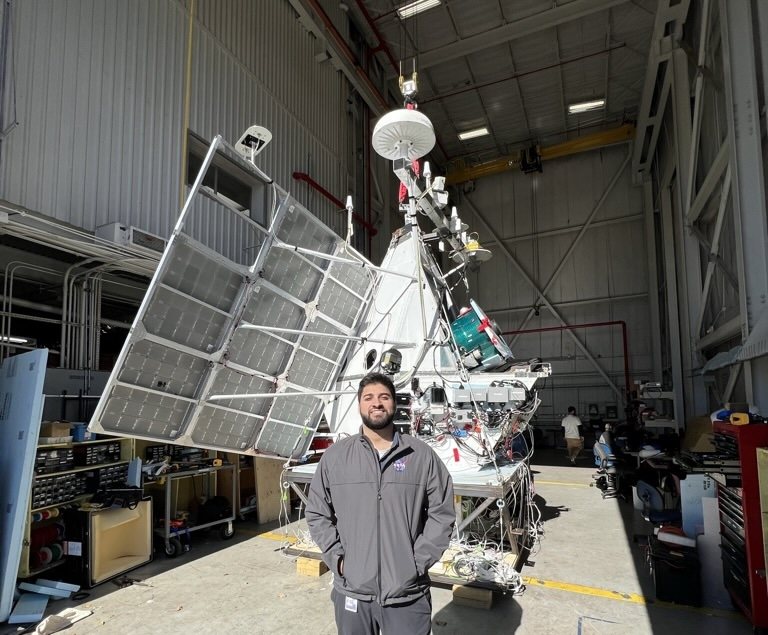
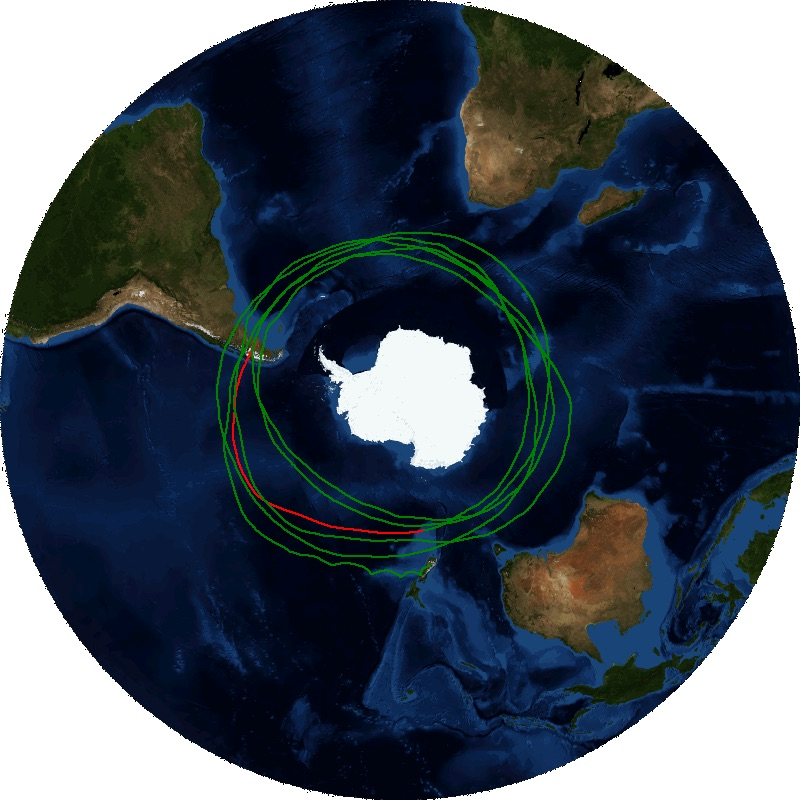
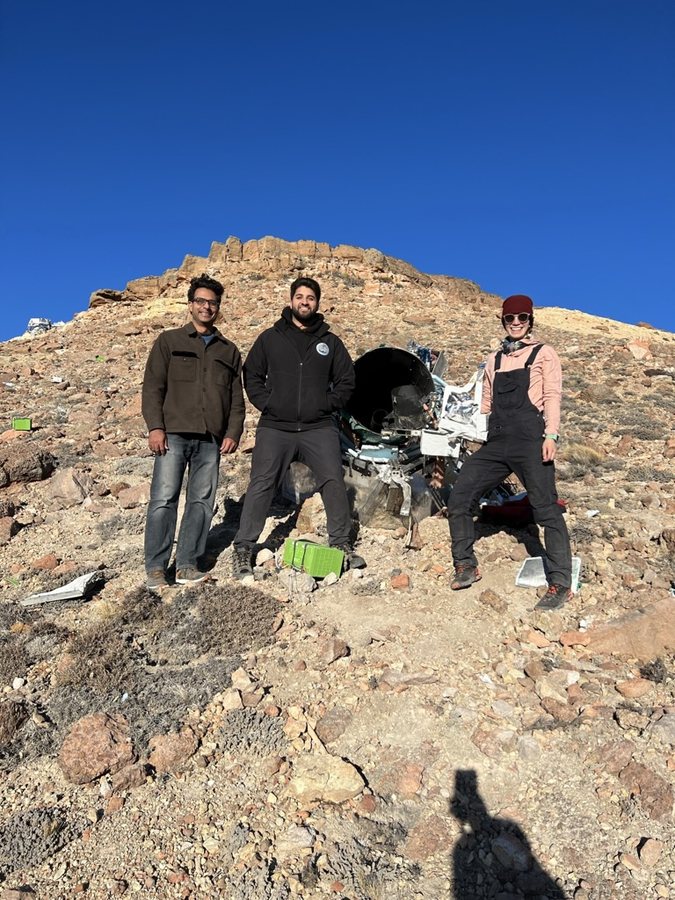
I helped build the telescope in Toronto, test and integrate it with NASA in Palestine, Texas, and launch it from Wanaka, New Zealand. When it landed in May 2023, I was part of the recovery team that went to Argentina to bring SuperBIT and its data home. I'm now working with the SuperBIT Collaboration on the flight data: characterizing our noise, calibrating our images, and finding the weak lensing signal in them. Alongside that, I'm part of the team designing its successor, GigaBIT, which would be one of the next highest-resolution telescopes in the world when completed.
The goal of SuperBIT and GigaBIT is to show that diffraction-limited imaging from above the atmosphere doesn't require a telescope like Hubble. Hubble cost more than $15 billion and is coming to end of life. Balloon-borne telescopes can complement orbital ones at a fraction of the cost: SuperBIT cost roughly $5 million, a cheaper and more accessible option for astrophysics researchers, and one that can be rebuilt with newer technology every year.
- Hubble
- $15B+
- SuperBIT
- ~$5M
- Aperture
- 0.5 m
- Float altitude
- 33 km
- 2023 Flight Duration
- 40 days
- Launched from
- Wanaka, NZ
- Science targets
- 30
- Sensor
- Sony IMX455
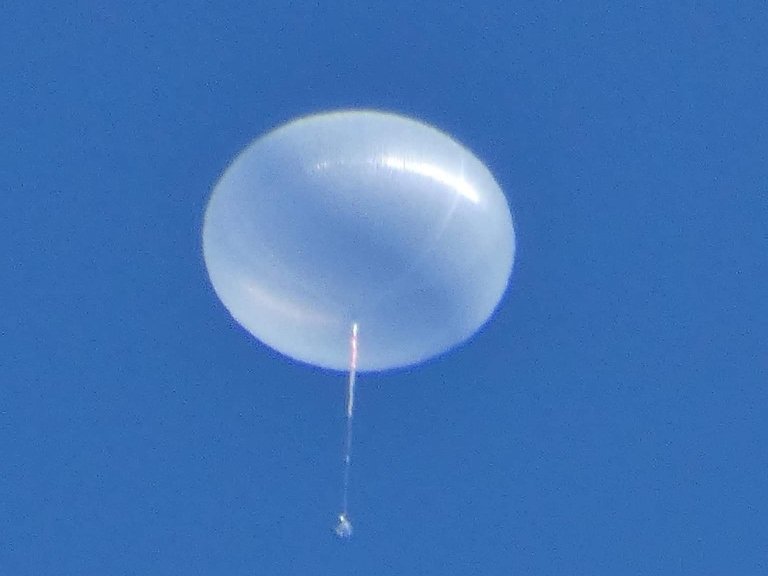
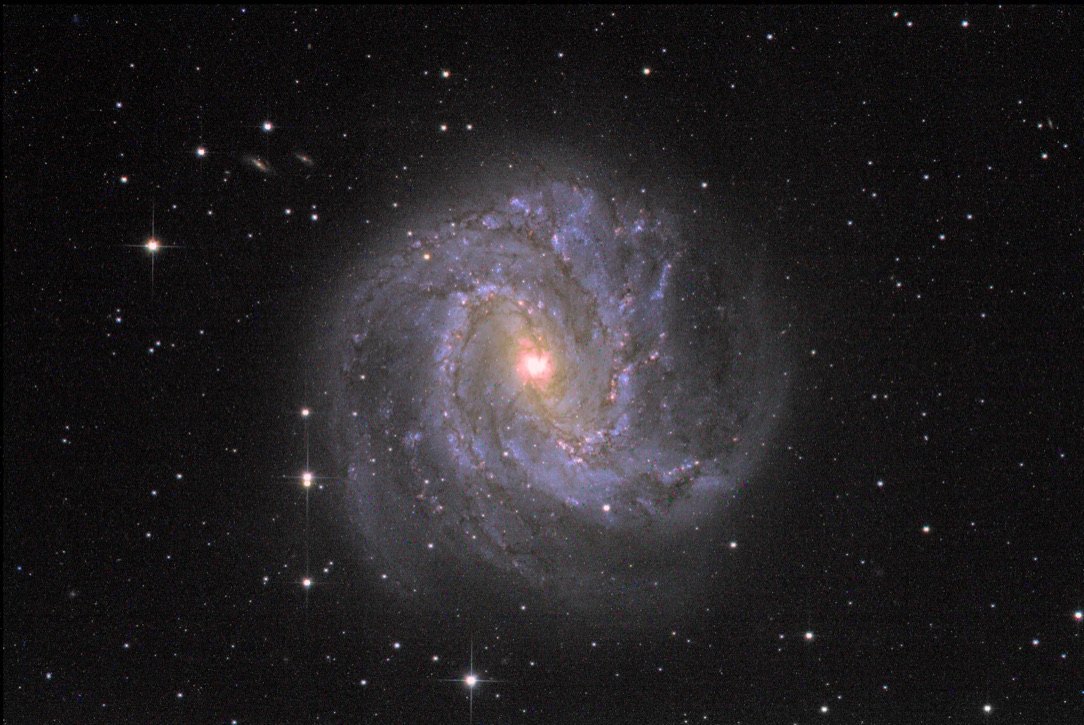
NASA's Super-Pressure Balloon took SuperBIT to nearly 108,000 feet, above 99.5% of the atmosphere. Fully inflated, the balloon is larger than a football stadium. That speck hanging below it is SuperBIT.
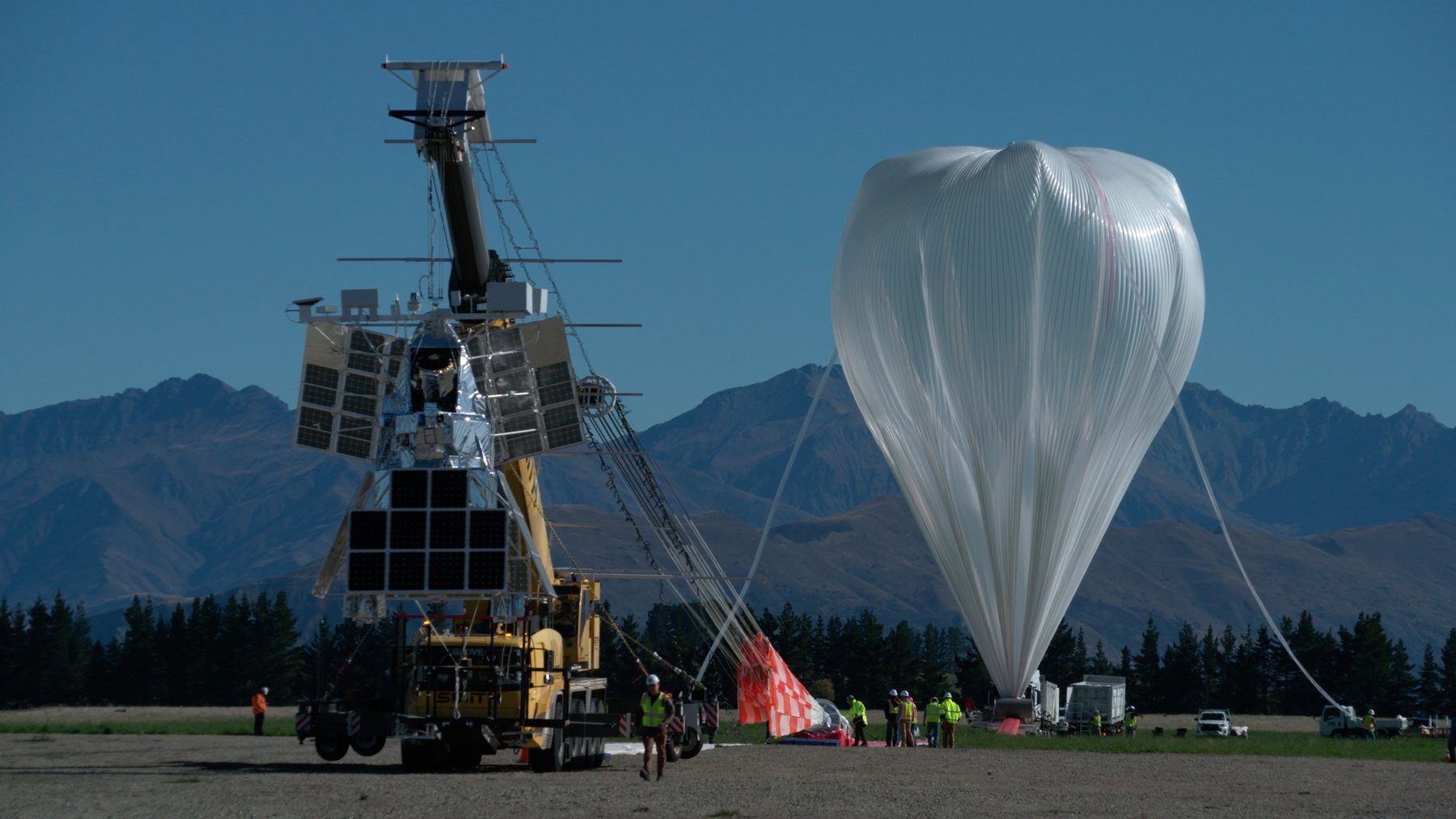
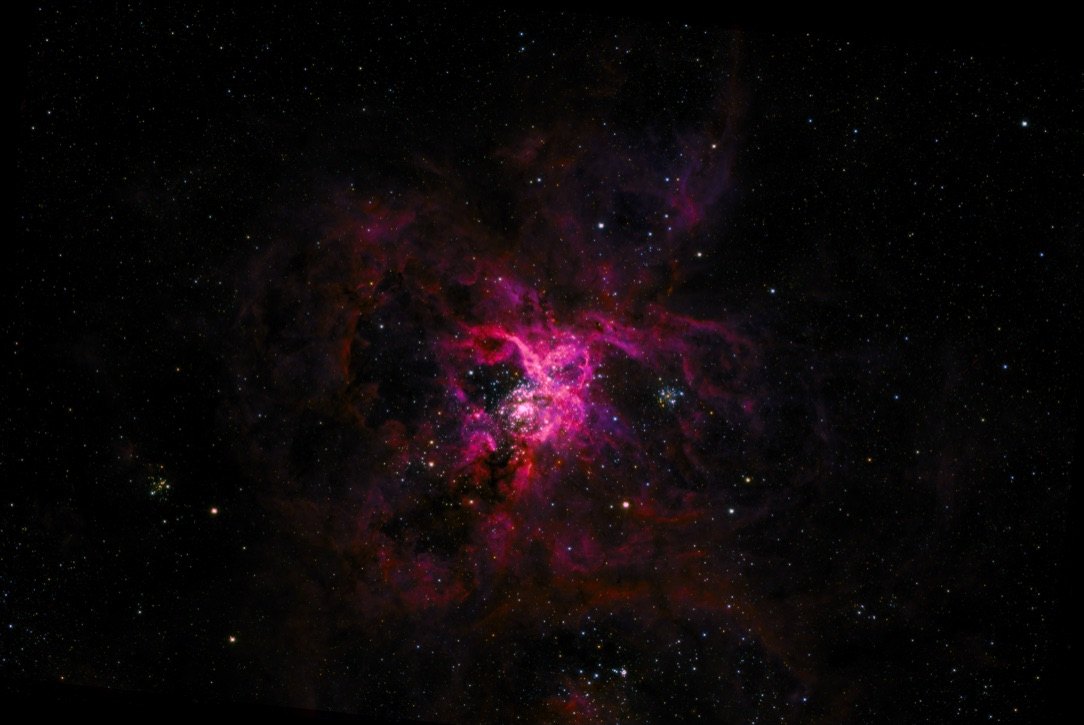
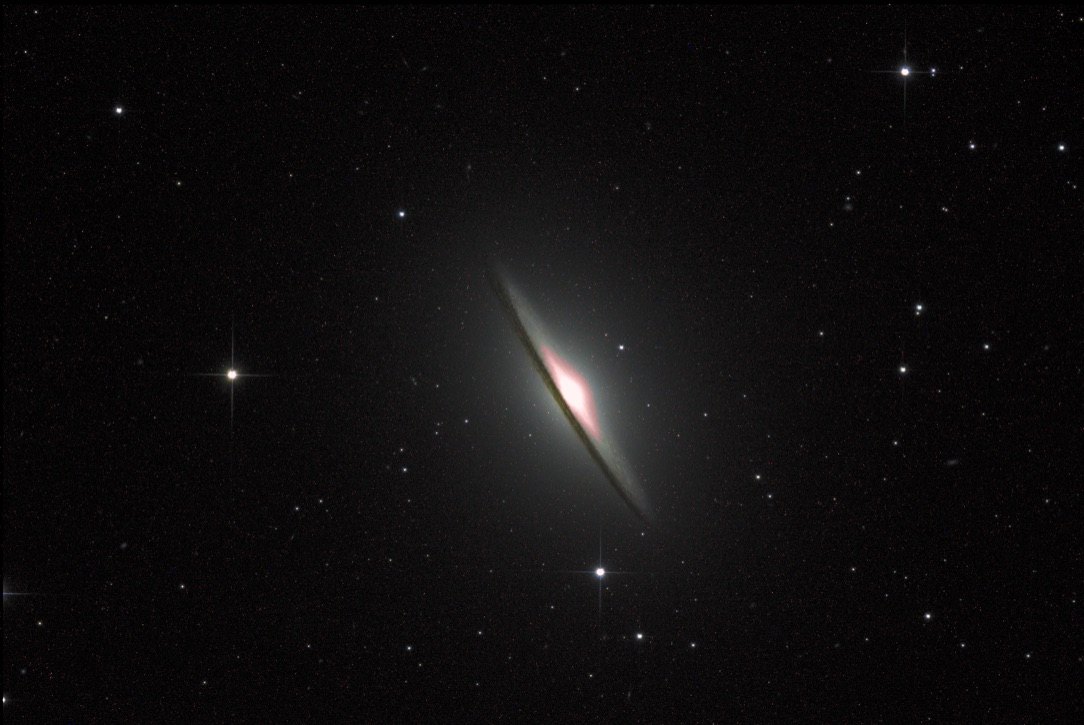
Watch on YouTube →
Weak lensing from the stratosphere
Galaxy clusters bend the light of galaxies behind them by about a percent. Measuring that distortion across thousands of faint galaxies maps the cluster's dark matter, but only with sharp, stable images from a precisely understood camera. I characterized SuperBIT's dark current and noise so its co-added images are stable enough to pull out that faint lensing signal and map where the dark matter sits.
Communications from the stratosphere
The stratosphere is a hard place to get data out of: the usual links average about 150 kbps, while SuperBIT produced 120 MB of images every five minutes. I led the first integration of Starlink on a balloon-borne platform, and built a downlink scheme that tracks exactly which packets went missing and re-requests only those, cutting the bandwidth needed and getting more files home over traditional links like TDRSS.
Characterizing the science camera
SuperBIT imaged the sky with a modified QHY600M. I helped make it flight-ready and characterized how it behaves: read noise, dark current, linearity, amp glow and hot pixels, the artifacts that set the noise floor when imaging faint galaxies. I also wrote the Rust wrapper that I integrated into the flight code to control and operate the camera from the ground.










Publications
Below are a few of my papers, authored and co-authored.
View all 15 papers on Google Scholar →- 2019Can a machine learn the outcome of planetary collisions?D. Valencia, E. Paracha et al. · The Astrophysical Journal 882, 3516 cites
- 2023Data downloaded via parachute from a NASA super-pressure balloonE. L. Sirks … E. Paracha … et al. · Aerospace 10, 96012 cites
- 2024SuperBIT superpressure flight instrument overview and performance: near-diffraction-limited astronomical imaging from the stratosphereA. S. Gill … E. Paracha … et al. · The Astronomical Journal 168, 8519 cites
- 2024Overview of communications and observation strategies in the stratosphere for the Super Pressure Balloon-borne Imaging Telescope (SuperBIT)E. Paracha et al. · SPIE Ground-based and Airborne Telescopes X4 cites
- 2026From sky to screen: improving file downlinking over error-prone, omni-directional links from the stratosphereE. Paracha et al. · SPIE Software and Cyberinfrastructure for Astronomy IX
- 2026Starlink takes flight: high-bandwidth communication for scientific ballooningE. Paracha et al. · SPIE Software and Cyberinfrastructure for Astronomy IX
- 2026Lensing in the Blue III: weak lensing shape catalogs of 30 merging galaxy clustersS. Saha … E. Paracha … et al. · arXiv:2603.183764 cites
- 2026Early exploration of the scientific discovery space for the Habitable Worlds ObservatoryC. D. Dressing … E. Paracha … et al. · arXiv:2608.112941 cite
Outreach


I'm a member of the Dunlap Institute Speakers Bureau, which sends University of Toronto astronomers into schools, libraries, and community groups to talk about the sky. I'm also part of the Canadian Astronomical Society's Westar Program, which connects astronomers with under-served communities across Canada. Please reach out if you're interested in organizing a talk.
The Mightiest
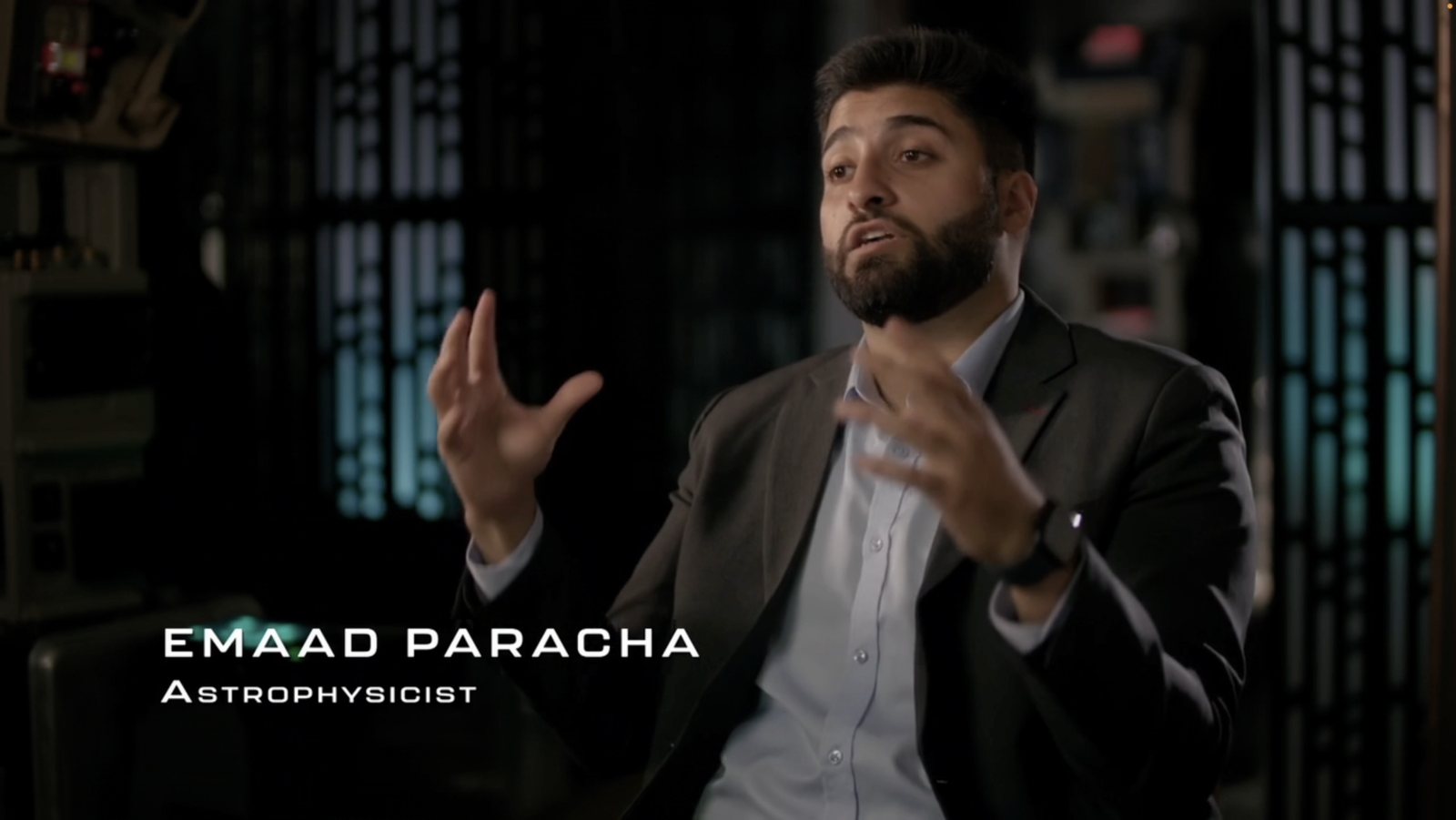
A Discovery Channel series about the world's biggest machines and the people who build and run them. I was featured in season 2: in episode 3, Moving Our World, where I talk about the Very Large Array in New Mexico, and in episode 5, Winged Warriors, where I talk about the U-2 spy plane, the KC-135 Stratotanker, and the C-5M Super Galaxy.
Talks
 Three Minute Thesis Competition 2024, University of Toronto
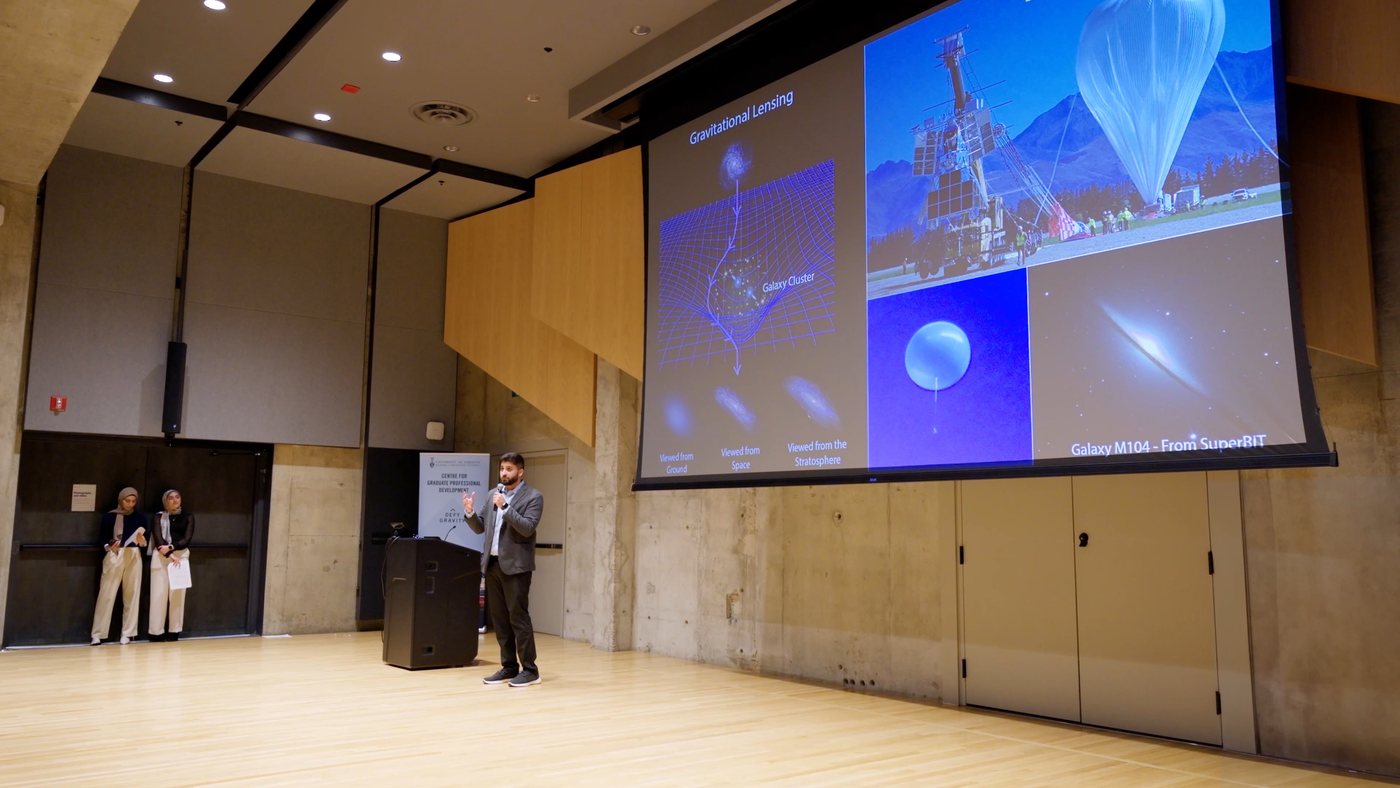
I came second at the University of Toronto's 2024 Three Minute Thesis competition, where graduate students present their research to a general audience in three minutes with a single slide. My talk, Detecting Dark Matter in Galaxy Clusters from the Stratosphere, covered my work on SuperBIT and why balloon-borne telescopes are ideal for weak lensing, and I came second amongst 80+ students across the university.
In The Press
- U of T NewsHow one U of T PhD student's dream of exploring space took flight on a balloon
- Faculty of Arts & ScienceUsing his education to help solve some of the universe's most elusive mysteries
- Department of PhysicsPhysics News Feature
 Arts & Science ImpactDoctoral student and alum explores his leap from UTSC to the stratosphere
 Monaco Daily NewsAn imaging telescope to rival Hubble, presented in the Principality
 Monaco Residents MagazineFrom Toronto to Monaco
 Elevate Monte CarloInterview
 BBC UrduFeature · Also on Video
 Express NewsTelevision Feature
 Suno News PakistanTelevision Feature
 Overseas PakistaniFeature
A life measured in flights
I'm an avid traveller and big on statistics and data analysis, and what better way to track my travels than a dashboard of every flight I've taken, logged by aircraft, airline, route, and distance, and every country I've set foot in, all in the form of a passport!? Right?? Maybe...
You can view my full travel dashboard here →Things I build when I'm not building telescopes
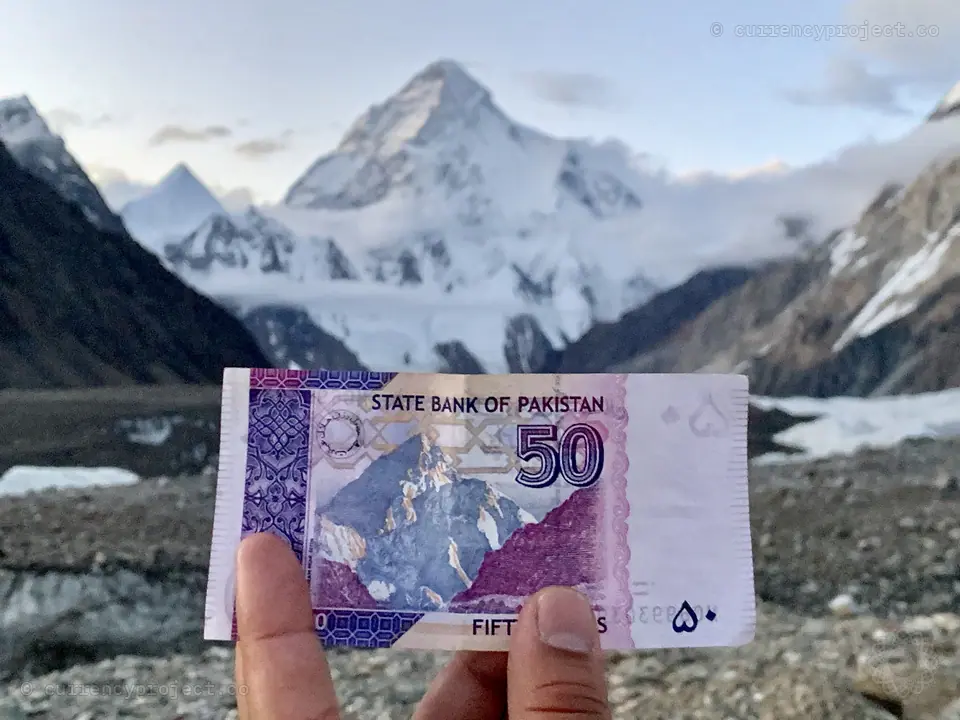
The Currency Project
Banknotes and coins photographed in front of the landmarks they depict. 22 countries, 6 continents, 80+ photographs, since 2015.
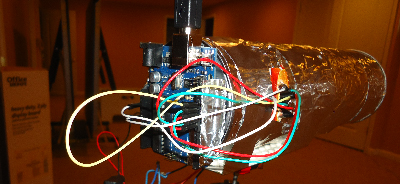
WiFi Camera
A camera that photographs the 2.4 GHz band, so you can see the wireless signals around you. Built from a directional antenna on a scanning mount.
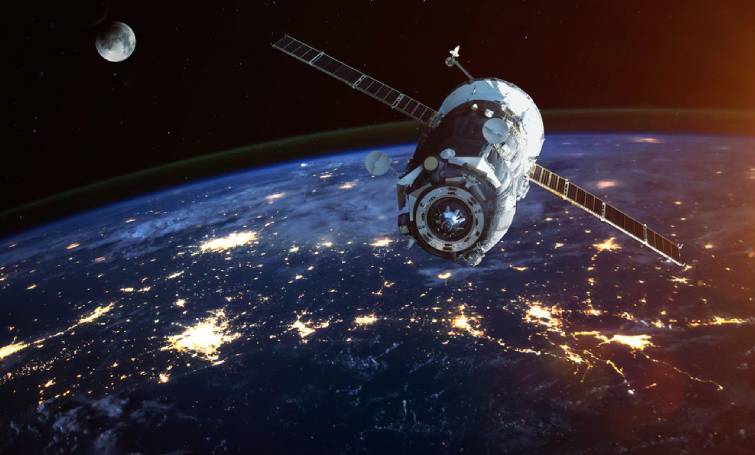
ASTROPak
Astronomy outreach I founded to bring the night sky to new audiences in Pakistan through talks, resources, and community.
Work & Code
Beyond academia, I'm also a technical specialist in hybrid cloud architecture, helping enterprises and organizations design the infrastructure that keeps critical industries running.
I also write code for telescopes, for downlinking data and communications, and for scripting and creating deployments on IBM Cloud and Microsoft Azure. My running tally on GitHub is 40,000 lines so far, with two Rust crates featured below.
View my work on GitHub →parachuter
Reliable, rate-limited file downlink over lossy, one-way UDP links. Splits files into chunks, streams them at a set rate, and re-sends only what the receiver reports missing. The algorithm that brought SuperBIT's images down, as a Rust library and CLI.
Rust · crates.io · GitHubqrusthy
Safe Rust bindings for the QHYCCD SDK, for driving QHY astronomy cameras from Rust: connect, configure, expose, and read out frames without touching the C API.
Rust · crates.io · 1.6k downloads



One thread runs through all of it.
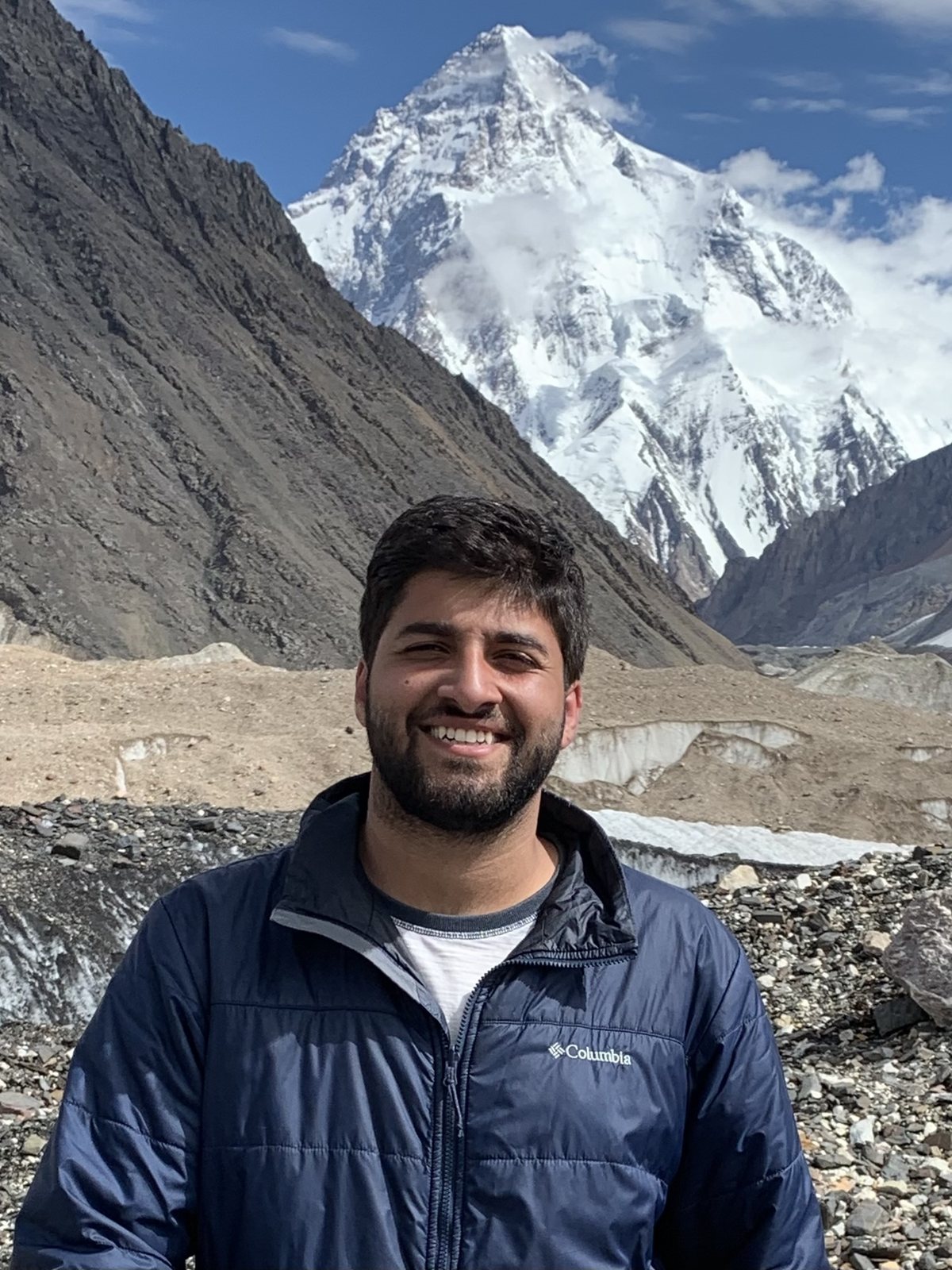
Curiosity about what's just out of reach, and the drive to build the thing that gets there. It's what sends a telescope to 33 km, and what took The Currency Project on a two-week trek across one of the world's largest glaciers. Whether it's a talk, a collaboration, or a banknote with a landmark on it, my inbox is always open.
emaad@emaadparacha.com